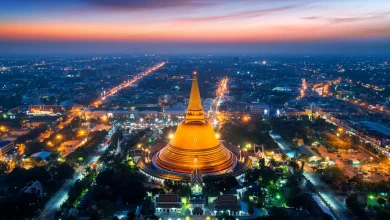
Planning a trip to Thailand? Start here. Thailand welcomed over 35 million travelers in 2024, and for good reason. From island hopping in the south to exploring night markets in Chiang Mai, every day brings something new. But with so much to see, your trip needs a clear plan.
This guide helps you do just that. Whether you’re traveling with friends, family, or on your own, you’ll learn how to plan a trip in Thailand that fits your style and budget. Want to explore ancient temples? Relax on quiet beaches? Taste the best street food? You can do it all, without the stress of last-minute decisions.
If you’re planning a trip to Thailand for the first time, you’ll appreciate the step-by-step breakdowns, from choosing your destinations to booking transport and lodging. If you’re going solo, you’ll also find tips on how to plan a solo trip to Thailand confidently and safely.
You’ll get direct answers, real advice, and no fluff, just what you need to build the kind of trip you’ll talk about for years. Let’s make your Thailand adventure simple, smooth, and unforgettable.
Planning a Trip to Thailand: Where to Start
Before you dive into tropical beaches or bustling night markets, start with a solid plan. Getting the basics right sets the tone for a smoother, more rewarding experience. Here’s where to begin.

How to plan a trip to Thailand
Choose Your Travel Dates Wisely
Thailand’s weather varies by region, so your experience depends on when and where you go. The north, including Chiang Mai and Pai, stays cooler and drier from November to February. If you’re heading south, the coasts follow different rhythms. The Andaman Sea side (Phuket, Krabi) shines between November and March, while the Gulf coast (Koh Samui, Koh Tao) is better from January to August.
Avoid the rainy season if you want clear skies and easy travel. Traveling during shoulder months, like October or April, can save money without sacrificing too much sun.
Set a Realistic Budget for Your Travel Style
Backpackers often spend around $30–$50 per day, covering dorms, street food, and local transport. Mid-range travelers usually budget $70–$150 daily for boutique hotels, day tours, and restaurant meals. For a luxury experience, expect to spend upwards of $200 per day.
Use local currency (Thai baht), and avoid exchanging cash at the airport for the best rates. Apps like Wise or Revolut can help you save on exchange fees and keep track of your spending.
Keep in mind that your budget can also vary depending on where you go. For example, exploring popular places to visit in Chiang Mai Thailand often costs less than visiting southern islands, while still offering rich cultural experiences, great food, and plenty of affordable tours.
Research Entry Requirements and Travel Documents
Most nationalities can enter Thailand visa-free for 30 days, but always double-check based on your passport. If you’re staying longer, apply for a tourist visa before you fly. Make sure your passport is valid for at least six months from your entry date.
Buy travel insurance that covers medical care and trip delays. Some policies even include motorbike coverage, which is useful in Thailand. You should also check recommended vaccinations, especially if you plan to explore rural or jungle areas.
How to Plan a Trip in Thailand That Matches Your Style
Thailand offers more than just postcard beaches. You’ll find buzzing cities, peaceful mountain towns, rich culture, and jungle adventures. To make the most of your time, match your itinerary to your personal travel style.
Decide What Type of Experience You Want
Start by asking yourself: what kind of trip are you looking for? If you want to relax, stick to the islands. Koh Lipe, Koh Samui, and Koh Lanta are ideal for beach downtime. For culture and history, head north to Chiang Mai or Sukhothai. Into nature and adrenaline? Consider trekking near Chiang Rai or ziplining in the jungle. Craving wellness? Detox retreats and yoga resorts are scattered across the country, especially in places like Koh Phangan.
When you know your focus, it’s easier to build a trip that feels right for you.
Build a Flexible Itinerary
A rigid plan can limit your experience. Instead, keep it loose. If you want to see a bit of everything, try a north-to-south route. Start in Bangkok, explore Chiang Mai, then head down to the islands. Prefer sun and sea? Base your trip around island-hopping in the Gulf or Andaman Sea.
Include your must-sees, but leave space for surprises. Some of the best parts of Thailand are the places you stumble upon.
Balance Big Cities and Peaceful Escapes
It’s tempting to pack in too much, but mixing high-energy cities with quiet spots helps you enjoy both. Spend a few days in Bangkok’s chaos: food markets, temples, tuk-tuks, then slow it down in places like Pai, with mountain views and hot springs. Or pair Chiang Mai’s old city charm with Krabi’s dramatic cliffs and beaches.
This balance lets you experience the full range of what Thailand offers without burnout.
Best Way to Book a Trip to Thailand
Booking your Thailand trip can be simple when you know where to look and what to expect. Whether you’re planning everything yourself or want some help along the way, you have options that suit your style and budget.
Book Flights and Accommodations Early
Flights to Thailand fill up fast, especially during peak seasons (November to February). To get the best prices, book your flights at least 2 to 3 months in advance. Use flight comparison tools like Skyscanner or Google Flights, and set alerts for deals.

Book a trip to Thailand is not that easy if you don’t prepare for it
For hotels or guesthouses, start with trusted platforms like Booking.com or Agoda. These often include honest reviews, flexible cancellation policies, and special deals. If you’re traveling during festivals or high season, reserve early to avoid last-minute stress.
Combine Online Tools with Local Bookings
You can book many parts of your trip online before you arrive, but some things are better arranged once you’re in Thailand. Island ferries, domestic tours, or day trips are often cheaper when booked through local agencies or hotel desks.
Use apps like 12Go Asia for transport, and check out sites like Klook or GetYourGuide for activities. Always compare prices and read reviews before confirming anything.
Consider Travel Packages for Stress-Free Planning
If you want everything handled in one go, travel packages might be a good fit. These often include hotels, transport, and even some guided tours. Look for agencies that specialize in Southeast Asia or Thailand specifically. You’ll save time and reduce guesswork, especially if it’s your first time visiting.
Still prefer flexibility? Go for semi-packaged deals where you choose your hotels and flights but let someone else handle the logistics in between.
How to Plan a Safe and Smart Solo Trip to Thailand
Traveling solo in Thailand is one of the easiest and most rewarding ways to explore Southeast Asia. You’ll find the freedom to go at your own pace while still meeting people along the way. If you’re planning a solo trip to Thailand, this guide will help you stay safe, connected, and confident from day one.

Tips for solo travelers
Why Thailand Is a Great Destination for Solo Travelers
Thailand makes solo travel simple. The country is known for its warm hospitality, well-developed tourism services, and reliable transport options. English is widely spoken in major cities and tourist areas, so asking for help is rarely a challenge.
You can easily hop between cities, beaches, and cultural spots thanks to low-cost airlines, trains, and ferries. And whether you want quiet time or social energy, Thailand has the right environment for both.
Solo Safety Tips and Local Etiquette
Thailand is generally safe for solo travelers, but it helps to stay alert. Use official taxis or ride-share apps like Grab instead of flagging random cars. Keep your belongings secure, especially in busy areas and markets. Watch out for common scams like inflated tour prices or pushy tuk-tuk drivers offering suspicious “free” tours.
Respect local customs. Dress modestly at temples, remove your shoes before entering homes or sacred places, and keep your voice down in public transport. Politeness goes a long way, and a simple smile or “khop khun ka/khrap” (thank you) shows respect.
Meet People Without Compromising Your Independence
Traveling alone doesn’t mean being lonely. Thailand is full of friendly travelers and locals open to conversation. Stay in hostels or guesthouses with communal spaces, and you’ll quickly find others heading to the same destinations.
Join day tours or cooking classes to meet like-minded people without committing to group travel. Many cities also have coworking cafes and expat hubs where digital nomads hang out. It’s easy to strike up a chat, share tips, or even make a new travel buddy, without losing your independence.
Final Tips for a Smooth Thai Adventure
As your trip gets closer, a few final touches can make all the difference. From packing the right gear to moving around with ease, planning ahead will help you enjoy Thailand with less stress and more freedom.
What to Pack Based on Your Itinerary
Pack light, but smart. Thailand’s weather is mostly hot and humid, so breathable clothing is a must. Bring quick-dry fabrics, a light rain jacket for sudden showers, and swimwear if you’re heading to the islands. If your itinerary includes temple visits, pack clothes that cover your shoulders and knees.
Thailand uses Type A, B, and C plugs with 220V electricity. A universal adapter is helpful. Don’t forget sunscreen, insect repellent, a reusable water bottle, and a basic first-aid kit. You’ll find plenty of convenience stores across the country, but having the essentials on hand saves time and money.
How to Get Around Once You’re There
Thailand’s transportation options are reliable and varied. For long distances, budget airlines and trains connect major cities efficiently. In-town, tuk-tuks offer a fun (but often more expensive) way to get around, agree on the fare before hopping in.
Metered taxis and the Grab app offer more consistent pricing in cities like Bangkok and Chiang Mai. If you’re exploring the capital with kids, it’s worth researching where to stay in Bangkok with family to find neighborhoods that offer comfort, convenience, and nearby attractions.
For island travel, ferries and speedboats run frequently, especially in the south. Consider booking transfers ahead of time during peak seasons to avoid last-minute delays.

Thai culture is rich, vibrant, and deeply prestigious.
Respect Local Culture and Customs
Thai people are known for their kindness and patience, and a little cultural awareness helps you return the favor. Always remove your shoes before entering temples or private homes. Dress modestly at religious sites, keeping your shoulders and knees covered.
Avoid touching someone’s head, which is considered sacred, and never point your feet at people or statues. Speak calmly and politely. Even when you’re frustrated, a soft tone earns more respect than raised voices.
Tipping is not required, but it’s appreciated. Leave small tips at restaurants, for hotel staff, or after massages. It’s a simple gesture that supports local workers and shows appreciation for good service.
Summary
Planning a trip to Thailand doesn’t have to be overwhelming. If you’re mapping out your first adventure or figuring out how to plan a solo trip to Thailand, the key is to match your itinerary to your travel style and stay informed about the essentials.
From choosing the right season and setting a budget to understanding how to plan a trip in Thailand that flows smoothly, the tips in this guide will help you make smart, stress-free decisions. You’ve also seen the best way to book a trip to Thailand, no matter if you’re after remote beaches, bustling cities, or peaceful temples.
Thailand is welcoming, diverse, and easy to explore, so start planning with clarity and enjoy every step of your journey.